
Your 12-Month Wedding Planning Checklist

A wedding has a lot of moving parts, but spreading the work over a year makes it completely manageable. Use this month-by-month checklist as your roadmap from “yes!” to “I do.” Every wedding is different, so adjust the timing to fit your date — and if you’re planning on a shorter runway, don’t worry, it can absolutely be done.

12+ months out

Set your budget, draft a rough guest list, and decide on the overall vibe you want. Start researching and touring venues, since the best ones book up first — securing your date and venue is the foundation everything else is built on. This is also the ideal time to hire a planner if you’d like support from the very beginning.

9–12 months out

Book your highest-priority vendors — photographer, videographer, caterer, and any in-demand entertainment. Choose your wedding party, begin attire shopping, and set up a wedding website. If you’re having an engagement session, schedule it now.

6–9 months out

Lock in florals, decor, cake, and your remaining vendors. Finalize your colour palette and design direction, send save-the-dates, and book accommodations or room blocks for out-of-town guests. Start planning the honeymoon and make sure passports are current.

4–6 months out

Order invitations, plan your menu and tastings, and choose attire for the wedding party. Confirm ceremony details with your officiant, and book any extras like transportation, rentals, or a suite for the wedding night.

2–4 months out

Mail your invitations, finalize the menu and floor plan, and purchase wedding bands. Have your first dress fitting, write your vows, and confirm details with every vendor. Apply for your marriage licence so it’s ready in plenty of time.

The final month

Confirm your final guest count, create your seating chart, and build a detailed day-of timeline. Hand off vendor coordination to your planner or a trusted point person, pack for the honeymoon, and put together an emergency kit. Then — as much as possible — relax and soak it in.

Want this handled for you?

If this list feels like a lot, that’s exactly what we’re here for. From day-of coordination to full planning, we keep your timeline on track so you can actually enjoy being engaged. Book a free consultation to get started.
What Does a Wedding Cost in Alberta? A 2026 Budget Guide

“How much does a wedding actually cost?” It’s one of the first questions couples ask, and the honest answer is: it depends. Your guest count, venue, season, and priorities all move the number. Still, understanding where the money typically goes makes it far easier to build a budget you feel good about. Here’s a realistic look at wedding costs for Alberta couples in 2026.

Where the budget usually goes

For most weddings, the largest share goes to the venue and catering — often close to half of the total. From there, a typical budget spreads across photography and videography, florals and decor, attire and beauty, music or entertainment, rentals, stationery, and the little extras like favours and transportation. Knowing these categories upfront helps you avoid surprises later.

Start with your guest count

Guest count is the single biggest driver of cost. Nearly everything — catering, bar, rentals, invitations, favours, even the size of venue you need — scales with the number of people you invite. If your budget feels tight, trimming the guest list is often the most effective way to bring it back in line without sacrificing quality.

Decide what matters most

Every couple values different things. Maybe photography is non-negotiable for you, while another couple would rather invest in an incredible meal or a live band. Pick your top two or three priorities and allocate generously there, then be willing to simplify elsewhere. A clear sense of priorities keeps your spending aligned with what you’ll actually remember.

Build in a buffer

Taxes, gratuities, delivery fees, and last-minute additions add up quickly. We recommend setting aside roughly 5–10% of your total as a contingency so the unexpected doesn’t derail your plans. It’s also wise to track deposits and payment due dates from the start — a simple spreadsheet (or a planner!) keeps everything organized.

How a planner protects your budget

A good planner doesn’t add to your costs so much as help you spend wisely. We help you set realistic numbers, recommend trusted vendors at a range of price points, flag hidden fees, and keep the whole plan on track. If you’re weighing how much support you need, our post on whether you need a wedding planner breaks down the options.

Plan a beautiful day at any budget

Beautiful weddings happen at every budget — the secret is a clear plan and the right priorities. We offer transparent, upfront pricing on all of our packages so you always know what you’re investing. Take a look at our planning packages, or book a free consultation to talk through your numbers.

A Guide to Central Alberta Wedding Venues

Kurimoto Japanese Garden

One of the first big decisions you’ll make as an engaged couple is where to say “I do.” Central Alberta is full of beautiful options, from rustic country settings to manicured gardens and unique urban spaces. The right venue sets the tone for everything else, so it’s worth understanding the main styles before you start touring. Here’s a look at the venue types we love working with across the region.

Garden & botanical venues

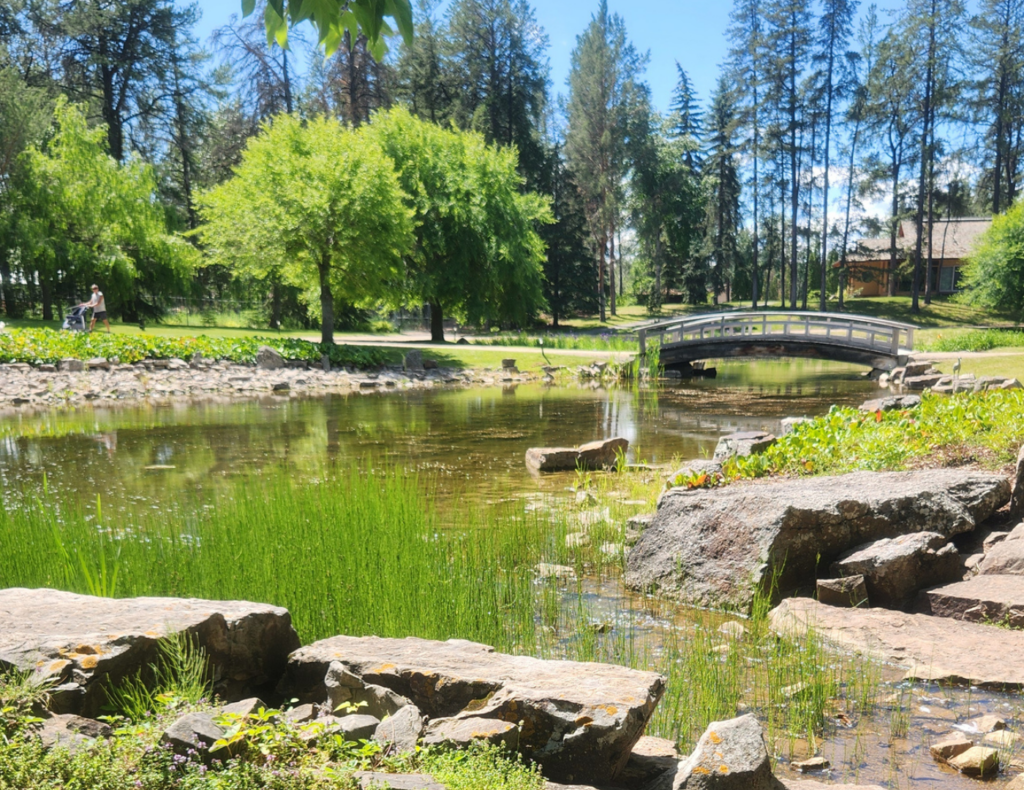
If you dream of lush greenery and natural beauty, a garden venue is hard to beat. We adored Sherry and Oliver’s ceremony in the Kurimoto Japanese Garden at the University of Alberta Botanic Garden near Devon — a setting that needs almost no extra decor. Garden venues shine in summer, but always have a weather backup plan for Alberta’s unpredictable skies.

Rustic & outdoor estate venues

Rustic venues — think tents, string lights, and open country views — bring a warm, relaxed feeling to a wedding. Shayla and Doug celebrated at Roots & Roses near Cochrane, a gorgeous example of this style (and one of our preferred vendors). Outdoor estates offer flexibility and space, though they often require you to bring in rentals like tables, linens, and lighting.

Private acreages & family land

There’s something deeply personal about marrying on family land. Peyten and Sara hosted their wedding on a family acreage near Barrhead — intimate, meaningful, and completely their own. Acreage weddings offer total freedom, but they’re essentially a blank canvas, so power, washrooms, catering, and rentals all need careful coordination.

Unique urban & event spaces

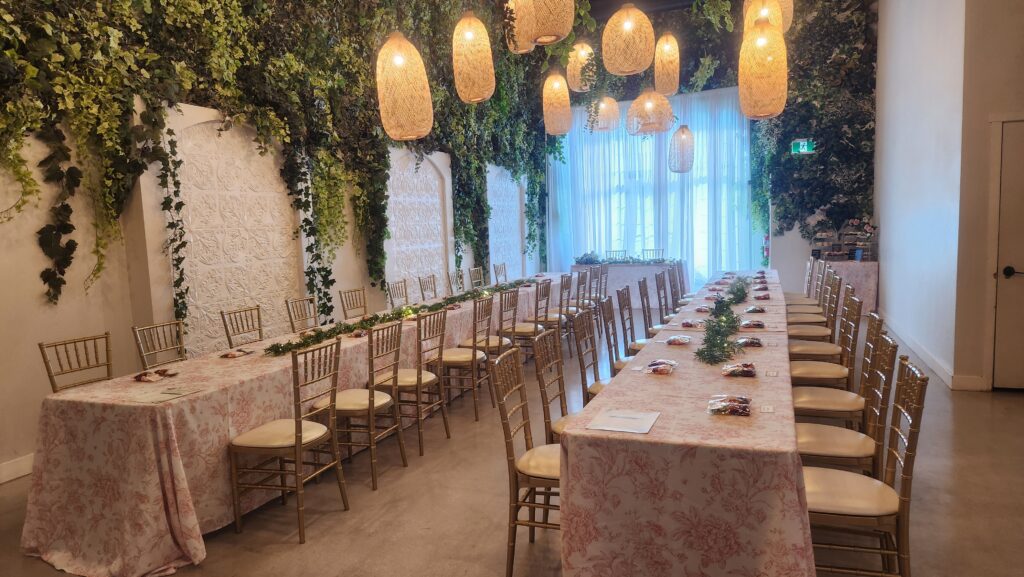
Edmonton, Calgary, and Red Deer are home to distinctive event spaces with real character. Meagan and Jordy married in The Secret Garden at Brew & Bloom in Edmonton — a unique indoor-garden setting that felt fresh and modern. Urban venues are convenient for guests and often include in-house staff and amenities.

How to choose the right one

As you tour, keep a few questions in mind: Does the capacity fit your guest list? What’s included versus what you’ll need to rent? Is there a weather backup? How accessible is it for older guests? And does it match the overall feeling you want? Knowing your rough budget and guest count first means you’ll only tour venues that truly fit your day.

Need help finding the perfect fit?

We’ve worked at venues all across Central Alberta and beyond, and we’re happy to recommend spaces that suit your style, budget, and guest count. Book a free consultation and we’ll help you find a venue you’ll love — then handle all the details once you do. You can also browse our 2025 wedding gallery for inspiration.

Do You Need a Wedding Planner?

If you’re planning a wedding in Red Deer or anywhere across Central Alberta, there’s a good chance you’ve asked yourself the big question: do I actually need a wedding planner? It’s one of the most common things couples ask us — and the honest answer is that it depends on your wedding, your timeline, and how hands-on you want to be.

The good news is that hiring a planner isn’t all-or-nothing. There are different levels of support to match different needs and budgets. Below, we break down what a wedding planner really does and walk through each type of planning service, so you can decide what’s right for you.

What does a wedding planner actually do?

A wedding planner is part organizer, part designer, part problem-solver, and part calm-in-the-storm. Depending on the level of service, a planner can help you set a realistic budget, source and book trusted vendors, build and manage your timeline, coordinate logistics, and handle the hundreds of small details that turn a vision into a seamless day. Most importantly, a planner lets you and your family actually be present and enjoy the celebration instead of running it.

Day-of / Month-of Coordination

Best for: couples who have happily planned their own wedding but want to hand off the reins before the big day.

If you love the planning process and want to choose your own vendors and details, day-of (really month-of) coordination is likely all you need. In the final weeks, your coordinator steps in to confirm vendors, build a detailed timeline, run your rehearsal, and manage every moving part on the wedding day itself. You wake up on your wedding morning knowing someone else is holding the clipboard. It’s the most budget-friendly way to work with a professional and still feel fully supported.

Learn more about our day/month-of coordination.

Partial Planning

Best for: couples who have made a start but want expert guidance to bring it all together.

Maybe you’ve booked your venue and a few key vendors, but you’re feeling stretched and unsure of the next steps. Partial planning meets you in the middle. You get help with vendor recommendations, design direction, budget management, and timeline building — plus day-of coordination — without handing over the entire process. It’s the perfect balance of doing it yourself and having a pro in your corner.

Explore partial wedding planning.

Full Planning

Best for: busy couples who want a truly stress-free experience from engagement to “I do.”

If your schedule is full, you’re planning from out of town, or you simply want to enjoy being engaged without a second job on your plate, full planning is for you. We handle everything — concept and design, full vendor sourcing and management, budgeting, logistics, and flawless day-of execution. You make the big decisions; we take care of the rest. See what’s included in full wedding planning.

Planning a destination wedding?

Tying the knot somewhere far from home comes with its own set of logistics — time zones, travel, and vendors you can’t meet in person. A planner who specializes in destination celebrations is worth their weight in gold here, often saving you money and a great deal of stress. Discover our destination wedding planning.

How to decide which level is right for you

Ask yourself three quick questions: How much time do you realistically have to plan? How confident do you feel making vendor and design decisions on your own? And how important is it to you to be completely hands-off and relaxed on your wedding day? If you have time and love the details, day-of coordination may be plenty. If you want a guide, choose partial. If you’d rather hand it all over, full planning is the way to go.

There’s no wrong answer — only the right fit for your wedding. And because we believe you deserve to know what you’re investing before you book, all of our packages come with transparent, upfront pricing.

View our wedding planning packages and pricing.

Still not sure? Let’s talk.

The easiest way to figure out what you need is to chat with a planner who knows Central Alberta weddings inside and out. At JK Weddings & Events, we offer a free, no-pressure consultation to learn about your day and help you find the right level of support. Book your free consultation and let’s start planning a wedding you’ll get to truly enjoy.